
Find Your Property

hamburger-background

Rent With Skitts

Helping You Find Your Next Home

Finding the right property to rent should be as straightforward as possible. With a wide range of rental homes available across the West Midlands, our experienced lettings team is here to help you throughout your search, from registering your requirements and arranging viewings through to applying for a property and moving in. With over 100 years of combined experience in the property industry, our team can offer friendly, professional advice and clear guidance at every stage. Whether you’re renting for the first time, relocating or simply looking for your next home, we’ll help you understand the process and keep things moving.
Register with Skitts today and be among the first to hear about suitable new properties as they become available.

Application process. Helpful advice to potential new tenants

  • If self-employed be able to supply copies of three years tax returns & copies of six months consecutive bank statements, details of an accountant who can confirm income for the past 3 years or 3 years self assessment documentation.
  • Be able to provide a copy of their current job contract, six months consecutive bank statements and three recent wage slips, if required.
  • Have no county court judgement, IVA’s, bankruptcy orders or evictions in the last 6 years.
  • Be able to provide a current passport including valid work permits and/or viass or a UK driving licence, birth certificate and recent utility bill.

If you have answered NO to any of the above statements you may still be able to proceed with a tenancy (at the landlords discretion) with the help of a guarantor.

  • Be in full time permanent work.
  • Have gross income (before tax) of 2.5 times the monthly rent.
  • Be able to provide a copy of their current job contract, six months consecutive bank statements and three recent wage slips.
  • Be a home owner.
  • Have no county court judgements, IVA’s, bankruptcy orders or evictions in the last 6 years.
  • Be able to provide a current passport including work permits and/or viass or a UK driving licence, birth certificate and recent utility bill.

Below is comprehensive but not exhaustive list of helpful hints to aid you through your tenancy.

  • Regular maintenance of the garden- keep the garden in a neat and tidy condition.
  • Report all maintenance/repair issues immediately by telephone, in writing or email and allow time for the issue to be rectified.
  • If you decide to store any of the landlords possessions, make sure you have the landlords agreement and that they are stored in a clean safe place, letting us know which items are stored and where.
  • Do not attempt any re-decoration or other alterations to the property, without first contacting Skitts lettings department to obtain the landlords consent.
  • Maintain the house correctly, cleaning on a regular basis including carpet, floor coverings and windows (inside and out).
  • Clean all cookers, fridges, microwaves, and sanitary equipment thoroughly whilst residing in the property, paying particularly attention when leaving the property.
  • Have respect for the landlord’s fittings; an iron burn on a carpet could cost you your deposit.
  • Carry out minor repairs such as unblocking sinks and changing light bulbs.
  • Test smoke & Carbon Monoxide alarms on a regular basis changing batteries when necessary.
  • Do not remove any furniture without the consent of Skitts Lettings department and the landlord.
  • Pay attention to ventilation when using appliances, try to avoid excess condensation build up by opening windows and using extractor fans where available.
  • Do not have pets at the property without the landlords consent. Pets should be kept in a safe environment and healthy condition.
  • Pay all utility bills and rent promptly.
  • Adhere to all clauses in your tenancy agreement.

Latest Rental Properties

Explore properties to rent in the West Midlands.
Lettings Properties

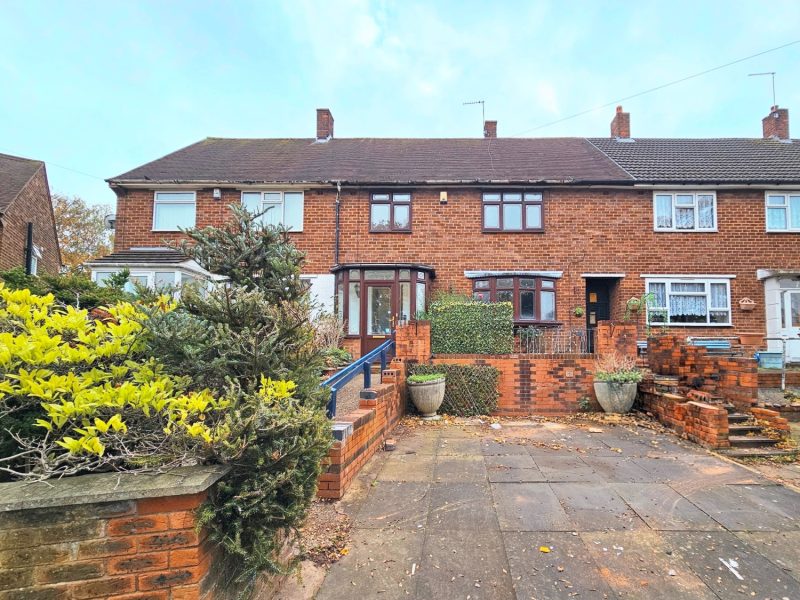
To Let Front Exterior

Wellington Road, Bilston, WV14

£1,395 pcm

  • 3
  • 2
  • 2
To Let Kitchen

Station road, Rushall, WS4

£1,000 pcm

  • 3
  • 1
  • 1
To Let Front Elevation

Addison Road, Wednesbury, WS10

£1,200 pcm

  • 4
  • 2
  • 1
To Let image00002 (1024x768)

Akron Drive, Wolverhampton, WV10

£1,400 pcm

  • 4
  • 1
  • 2
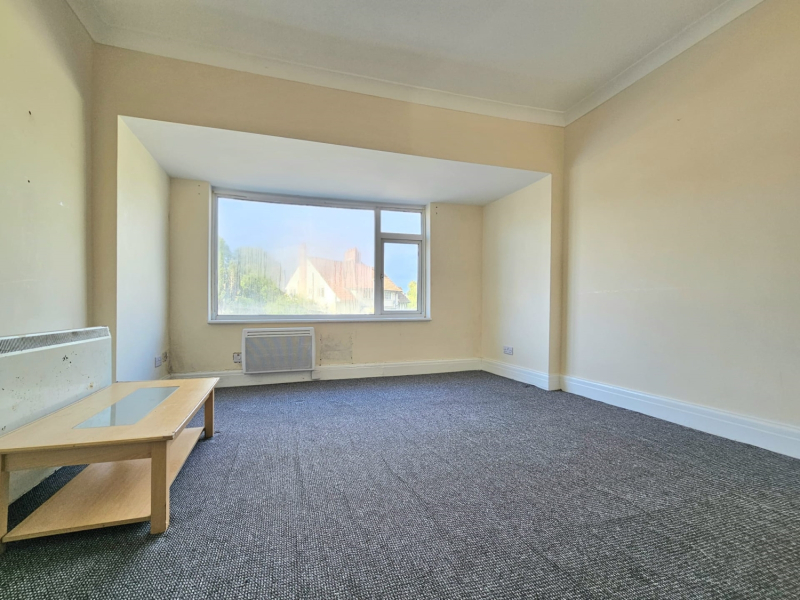
To Let Lounge Area

Coalway Road, Wolverhampton WV3

£725 pcm

  • 1
  • 1
  • 1
To Let

Park Lane, Wednesbury, WS10

£1,050 pcm

  • 3
  • 1
  • 1
To Let Open-Plan Lounge Area

Coalway Road, Wolverhampton WV3

£775 pcm

  • 1
  • 1
  • 1
To Let Front Exterior

Wolseley Road, West Bromwich, B70

£1,250 pcm

  • 3
  • 1
  • 1
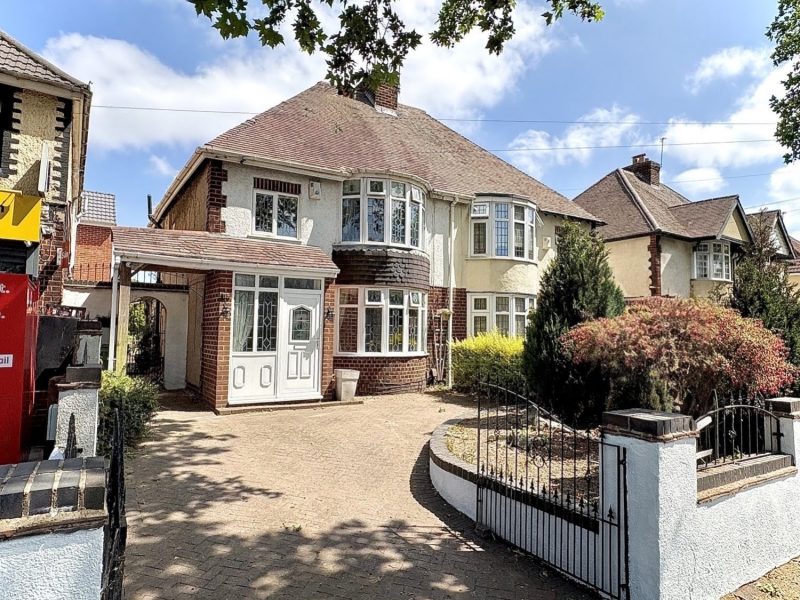
To Let Front Exterior

Waverley Road, Wednesbury WS10

£900 pcm

  • 2
  • 2
  • 1
View All Properties

Register With Us!

Click below to register and be the first to know about new properties!

Frequently asked questions

Get answers to common questions and important guidance for renting a property with Skitts.

No, Skitts Residential lettings do not have a first come first served policy. As the landlords agent we are obliged to identify the most suitable candidate.

No, it is company policy that all potential tenants are required to view the property prior to making an application as our fees are non- refundable.

When renting a house in England, you’ll usually need to pay a tenancy deposit of up to five weeks’ rent if the annual rent is below £50,000. For properties with an annual rent of £50,000 or more, the maximum deposit is generally six weeks’ rent.

For example, if the monthly rent is £1,000, a five-week deposit would be approximately £1,154. Your tenancy deposit must be protected in a government-approved tenancy deposit protection scheme.

You may also be asked to pay a refundable holding deposit of up to one week’s rent while your application is being processed. This is separate from your tenancy deposit.

Our lettings team can explain the deposit requirements and help you understand the costs involved before renting your next home.

When applying to rent a property in England, you’ll usually need to provide proof of identity, evidence of your income and details of your employment and previous rental history.

Commonly requested documents include a passport or driving licence, recent payslips, bank statements and contact details for your employer or previous landlord. If you’re self-employed, you may be asked to provide tax returns, business accounts or other evidence of your earnings.

Landlords and letting agents must also carry out Right to Rent checks to confirm that prospective tenants have the legal right to rent residential property in England.

Our lettings team can explain the application process, confirm which documents are required and help you prepare everything needed before applying for your next rental home.

The income needed to rent a house depends on the monthly rent, your financial circumstances and the affordability criteria used by the landlord or letting agent.

As a general guide, many letting agents use an affordability calculation requiring a gross annual income of approximately 30 times the monthly rent. For example, if a property costs £900 per month, you may need a combined annual household income of around £27,000.

However, affordability assessments can vary, and landlords may also consider savings, benefits, existing financial commitments or the availability of a suitable guarantor. Applicants receiving benefits must not be automatically excluded.

Our lettings team can explain the affordability requirements for individual properties and help you understand the application process before arranging a viewing.

Yes, it is possible to rent a property with bad credit, although your application may be subject to additional checks depending on your financial circumstances and the landlord’s requirements.

Letting agents and landlords may carry out credit checks as part of the referencing process, looking at factors such as County Court Judgments (CCJs), insolvency records and your financial history. Having a poor credit history doesn’t automatically mean your application will be unsuccessful.

In some circumstances, providing a suitable guarantor, demonstrating a reliable income or explaining previous financial difficulties may help support your application.

Our lettings team can explain the referencing process, discuss the requirements for individual properties and help you understand your options before submitting a rental application.

Yes, you can rent a property if you’re self-employed, although you may need to provide different evidence of your income compared with someone in regular employment.

Landlords and letting agents will usually want to establish that you can comfortably afford the monthly rent. If you’re self-employed, you may be asked to provide recent tax returns, business accounts, bank statements or confirmation of your earnings from an accountant.

The documents required will depend on your circumstances and the landlord’s referencing criteria. If your income varies or you’ve only recently become self-employed, additional information or a guarantor may be requested.

Our lettings team can explain the referencing requirements for individual properties and help you understand what information you’ll need before submitting your application.

Yes, you can request permission to keep a pet in a rented property. Under the Renters’ Rights Act 2025, tenants in England have the right to request a pet, and landlords must consider reasonable requests rather than refusing them without a valid reason.

Landlords generally have 28 days to respond to a written request, although this period can be extended in certain circumstances. Permission may depend on factors such as the type of pet, the suitability of the property and any restrictions imposed by a superior landlord.

Tenants remain responsible for any damage caused by their pets beyond fair wear and tear.

Our lettings team can explain the requirements for individual properties and help you understand the process of requesting permission to keep a pet.

In England, tenants with an assured periodic tenancy will generally need to give at least two months’ written notice to end their tenancy, unless the landlord agrees to a shorter period.

Under the Renters’ Rights Act 2025, most private rented tenancies became periodic from 1 May 2026, meaning they continue without a fixed end date. The notice period must normally end on the last day of a rental period, unless a different date is agreed with the landlord.

Different rules may apply to certain types of tenancy or accommodation, so it’s important to check your tenancy arrangements before giving notice.

Our lettings team can explain the notice requirements that apply to your tenancy and help you understand the process of moving out.

In England, landlords are generally responsible for maintaining the structure and exterior of a rented property, including the roof, walls, windows and external doors. They must also keep installations for heating, hot water, gas, electricity, water and sanitation in proper working order.

Tenants are responsible for taking reasonable care of the property, carrying out minor everyday tasks such as replacing light bulbs where appropriate, and reporting maintenance problems promptly. Tenants may also be responsible for damage caused by themselves or their visitors beyond fair wear and tear.

Landlords must arrange necessary repairs within a reasonable timeframe, depending on the nature and urgency of the problem.

Our lettings team can explain how to report maintenance issues and help tenants in our managed properties understand the repair process.

You don’t always need a guarantor to rent a property, although some landlords or letting agents may request one depending on your financial circumstances and the outcome of their referencing checks.

A guarantor is someone who agrees to take financial responsibility if you fail to pay your rent or meet certain obligations under your tenancy agreement. Guarantors are often requested when applicants have a limited credit history, insufficient income or are renting for the first time.

A guarantor will usually need to demonstrate that they can afford to meet the financial commitment, and their suitability may be assessed through referencing.

Our lettings team can explain whether a guarantor is required for a particular property and help you understand the application process before proceeding.

At Skitts, we help tenants find suitable rental properties across Wolverhampton, Walsall, Dudley and the wider West Midlands, combining local property knowledge with an extensive network of offices.

By registering your rental requirements with us, you can receive details of available properties that match your preferred location, property type and monthly budget, including newly listed homes as they become available.

Our experienced lettings teams can arrange viewings, explain the application and referencing process, and guide you through the steps involved in securing a rental property.

Whether you’re renting for the first time, relocating or looking for your next home, we’re here to help make finding and renting a property as straightforward as possible

Blog

Skitts Insights | 9 Mins Read

The 2026 WolverhamptonProperty Market

Posted on 16th November 2026

A study of this year’s property market and what will probably happen in 2027 With only six or seven weeks to go

Skitts Insights | 6 Mins Read

Should I Reduce My Asking Price or Give It More Time?

Posted on 15th November 2026

Your property has been on the market for several weeks. The initial excitement has faded, viewing enquiries have slowed, and you’re...

Skitts Insights | 5 Mins Read

1 in 93 Wolverhampton Homes Are For Sale

Posted on 9th November 2026

What does that mean for you? Spend a few minutes scrolling through property portals like OnTheMarket, Zoopla and Rightmove and it can

Contact Us

"*" indicates required fields

This field is for validation purposes and should be left unchanged.
Name*
What are you interested in?
(Please select all that apply)

View our privacy policy regarding website enquiries.

Property Valuation

"*" indicates required fields

This field is for validation purposes and should be left unchanged.
Valuation Type:*
Name*

View our privacy policy regarding website enquiries.

Buyers & Tenants Registrations

"*" indicates required fields

This field is for validation purposes and should be left unchanged.
What property type are you interested in?*
Name*

View our privacy policy regarding website enquiries.