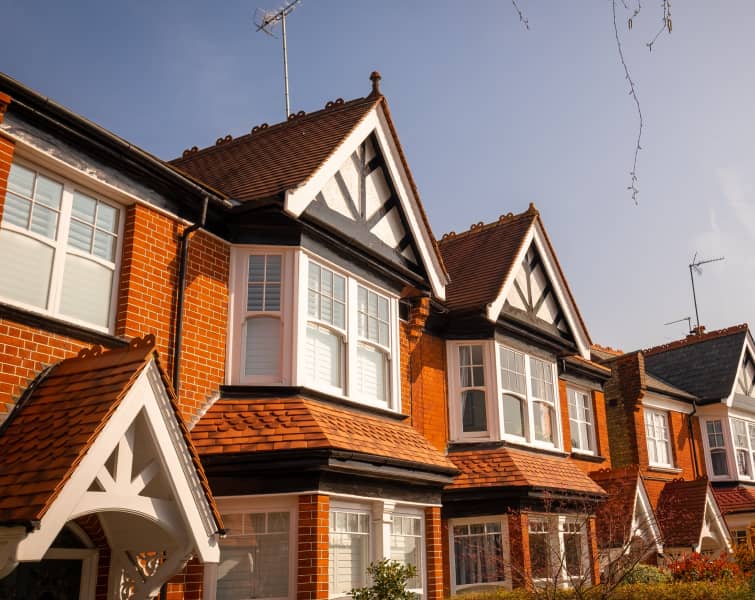
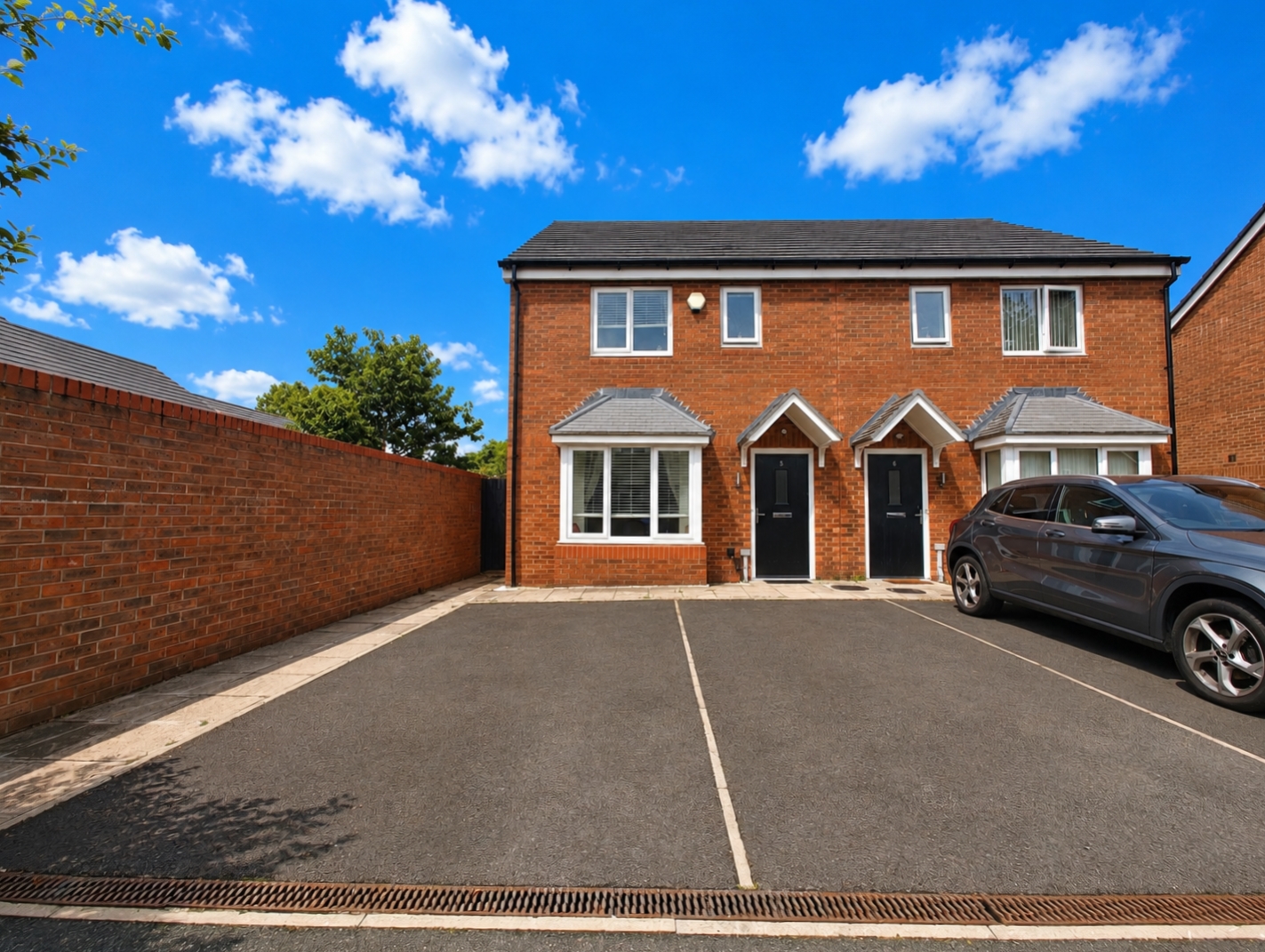
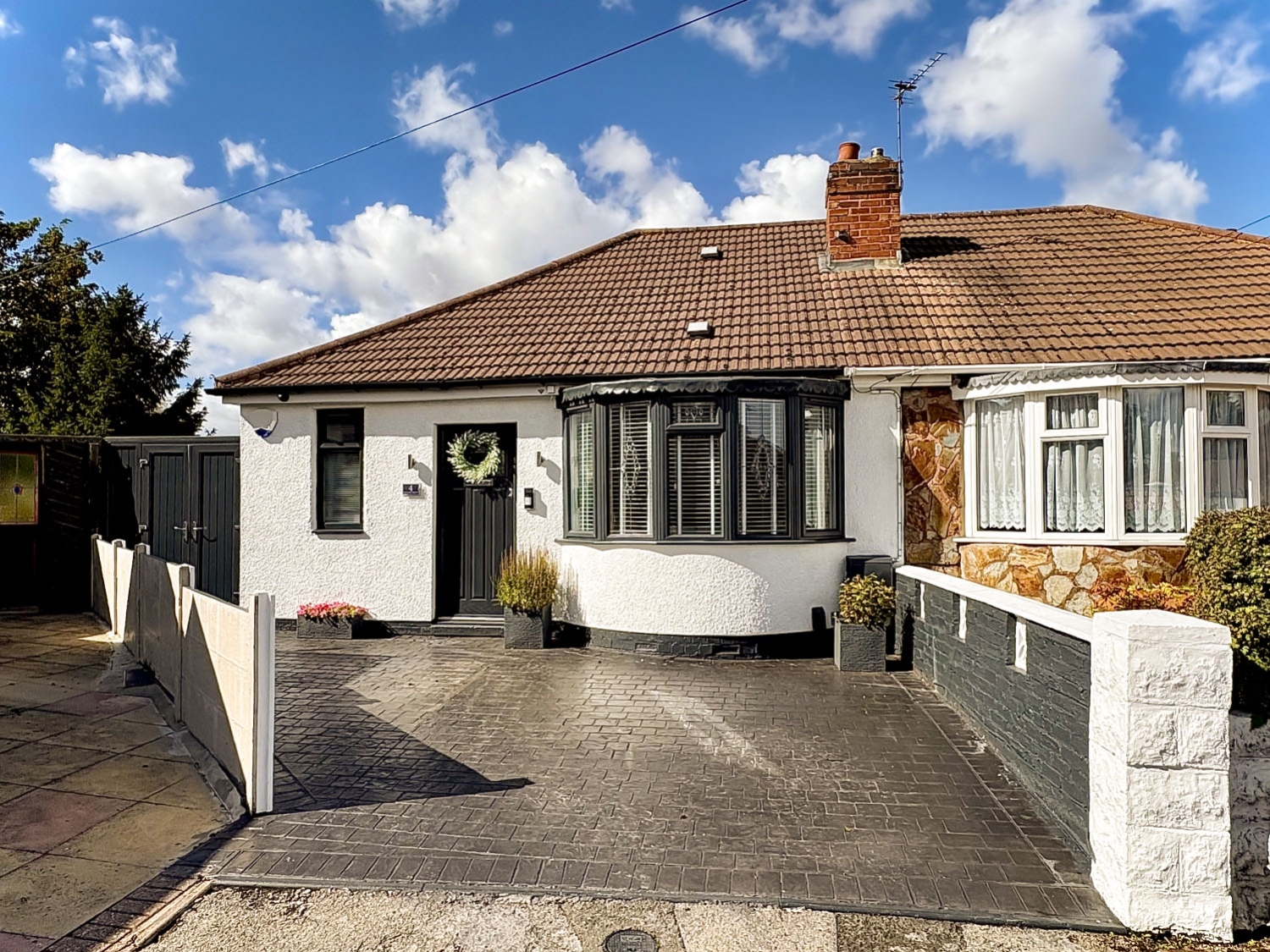
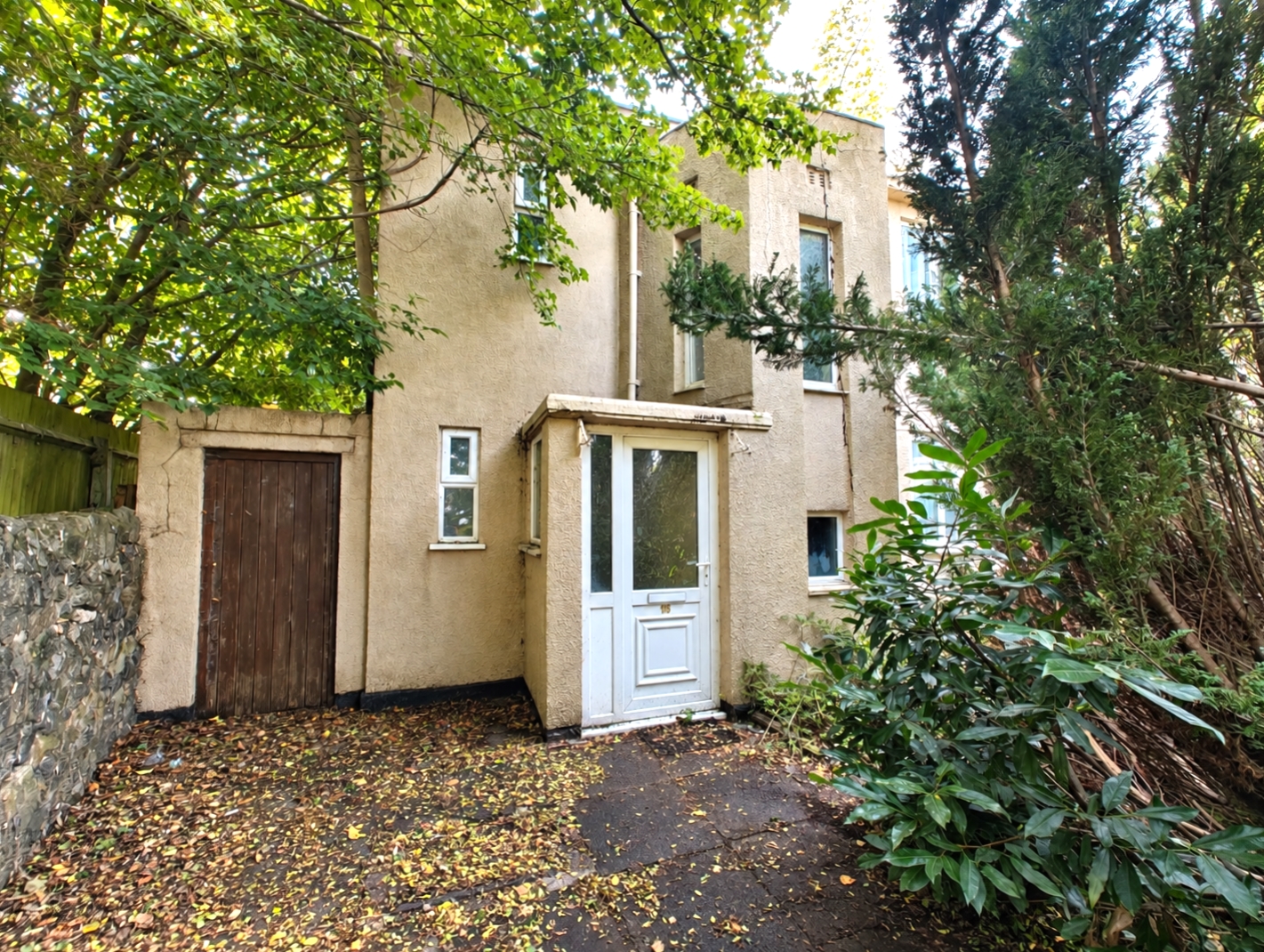
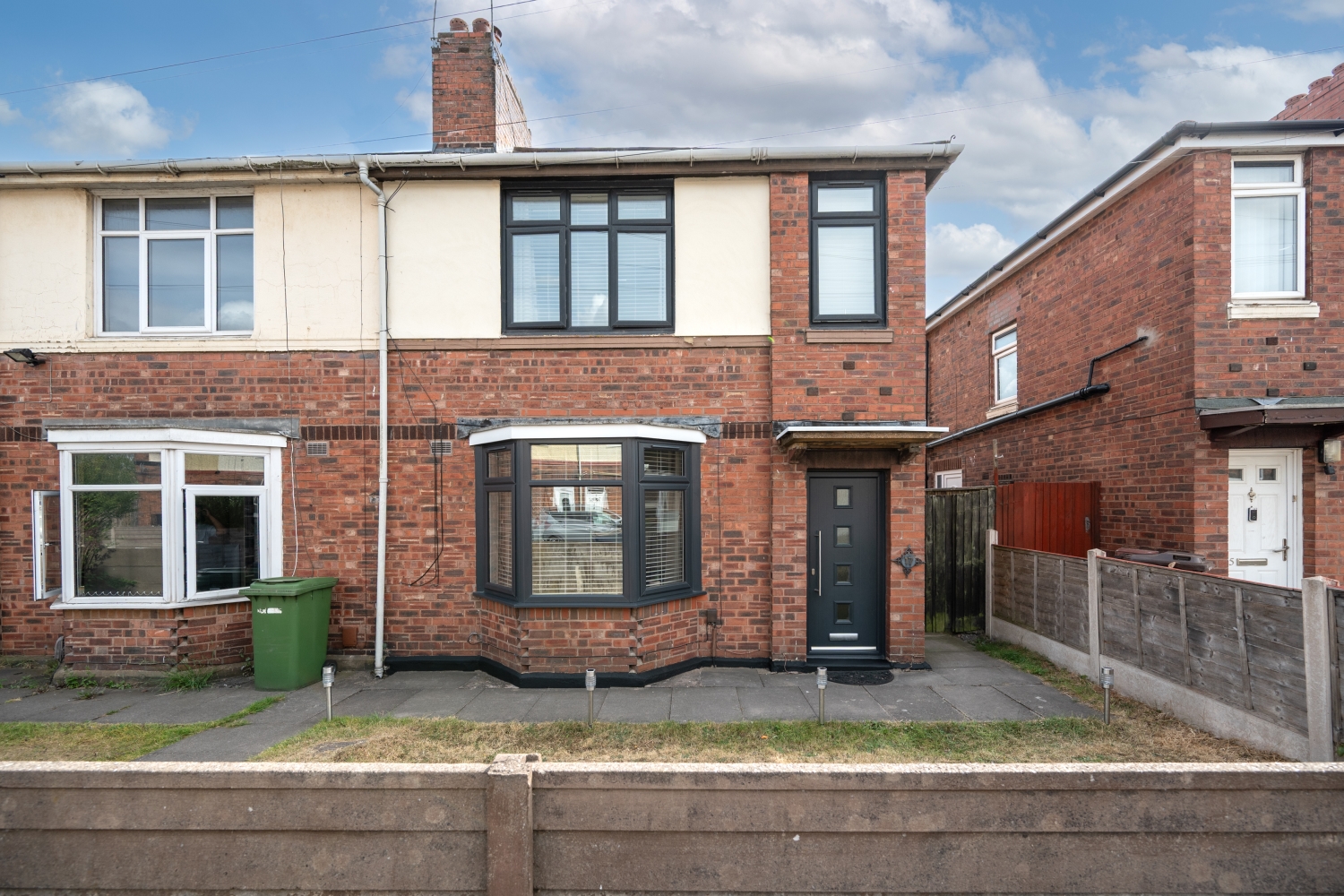
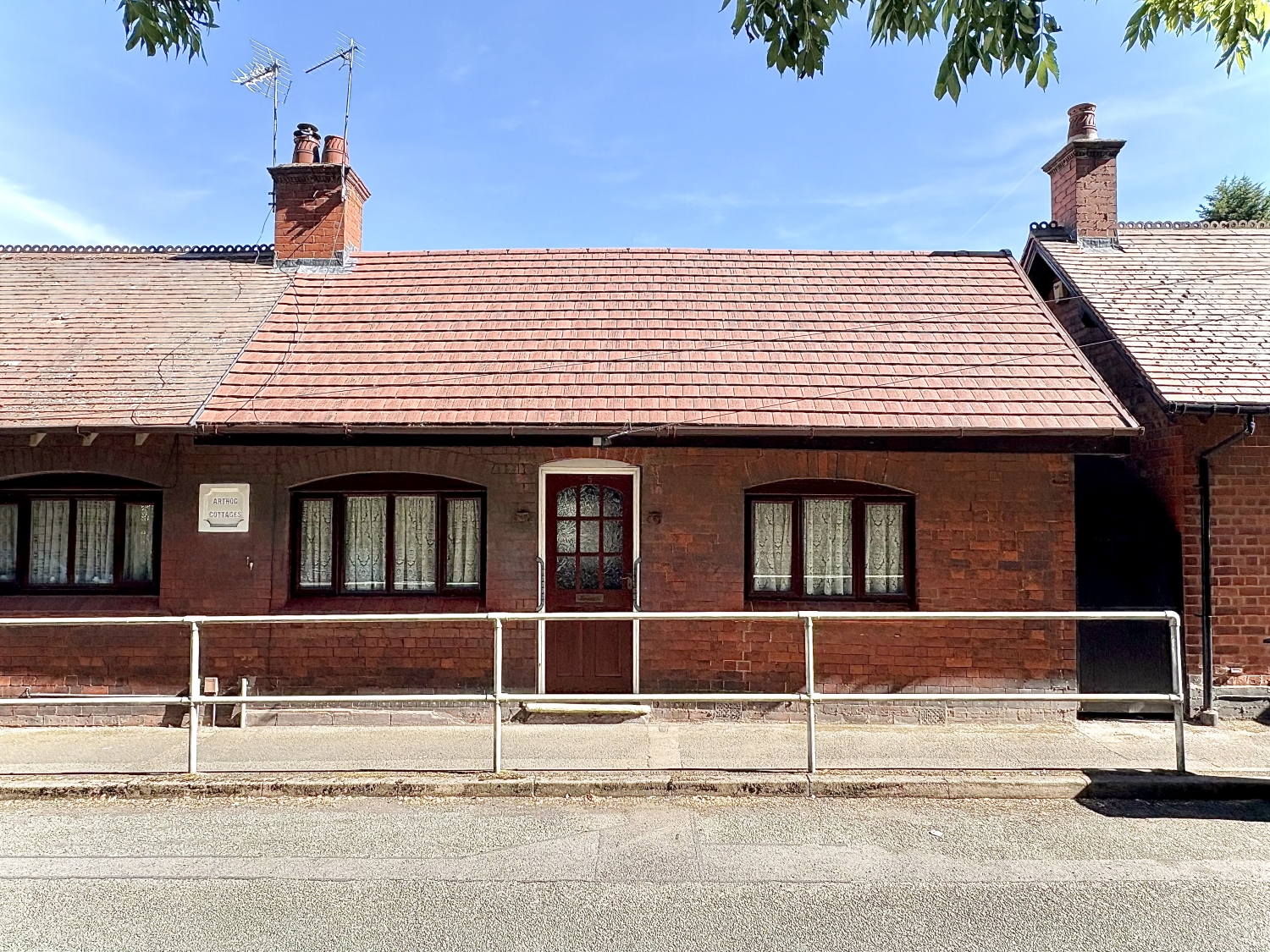
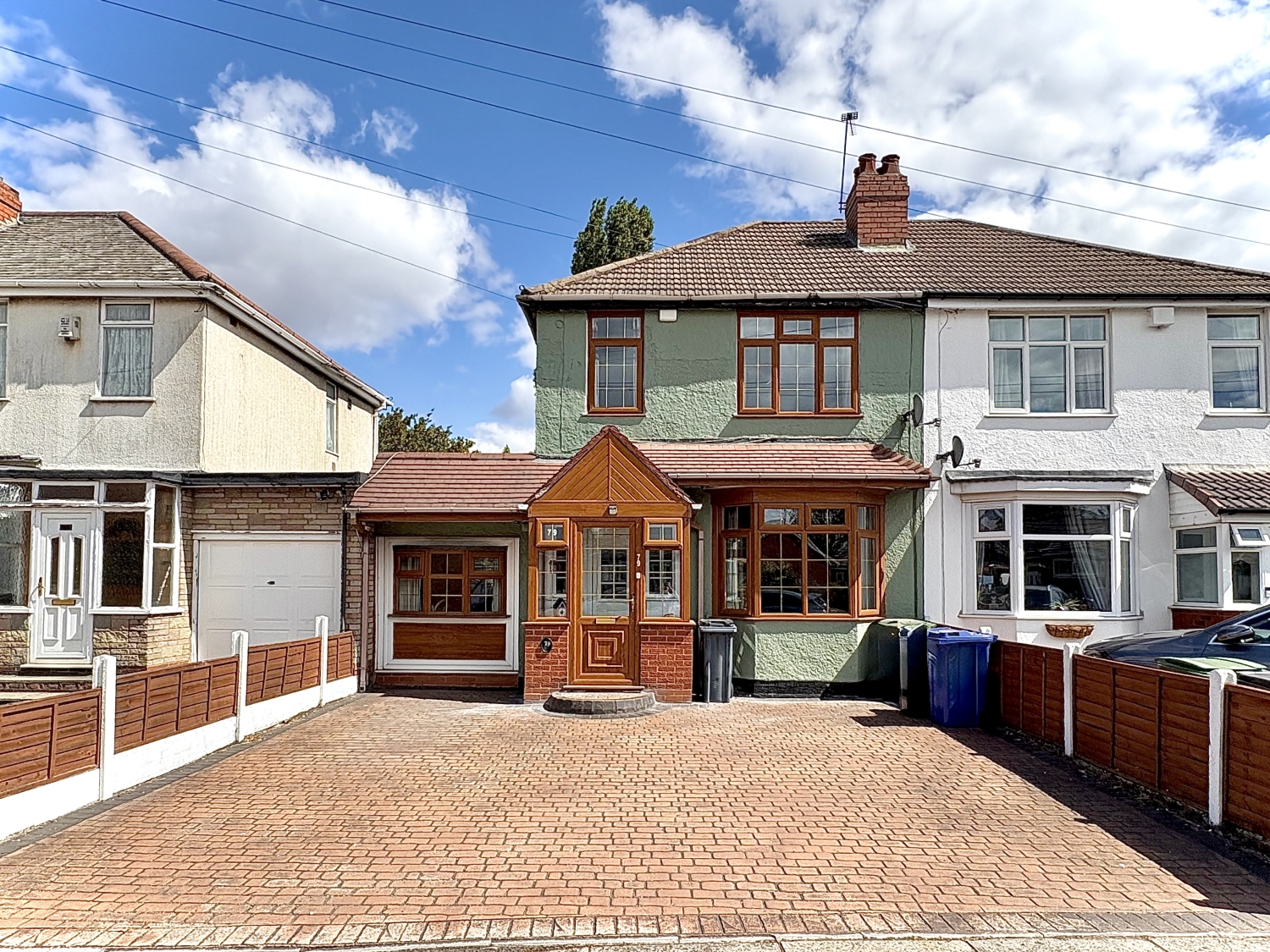
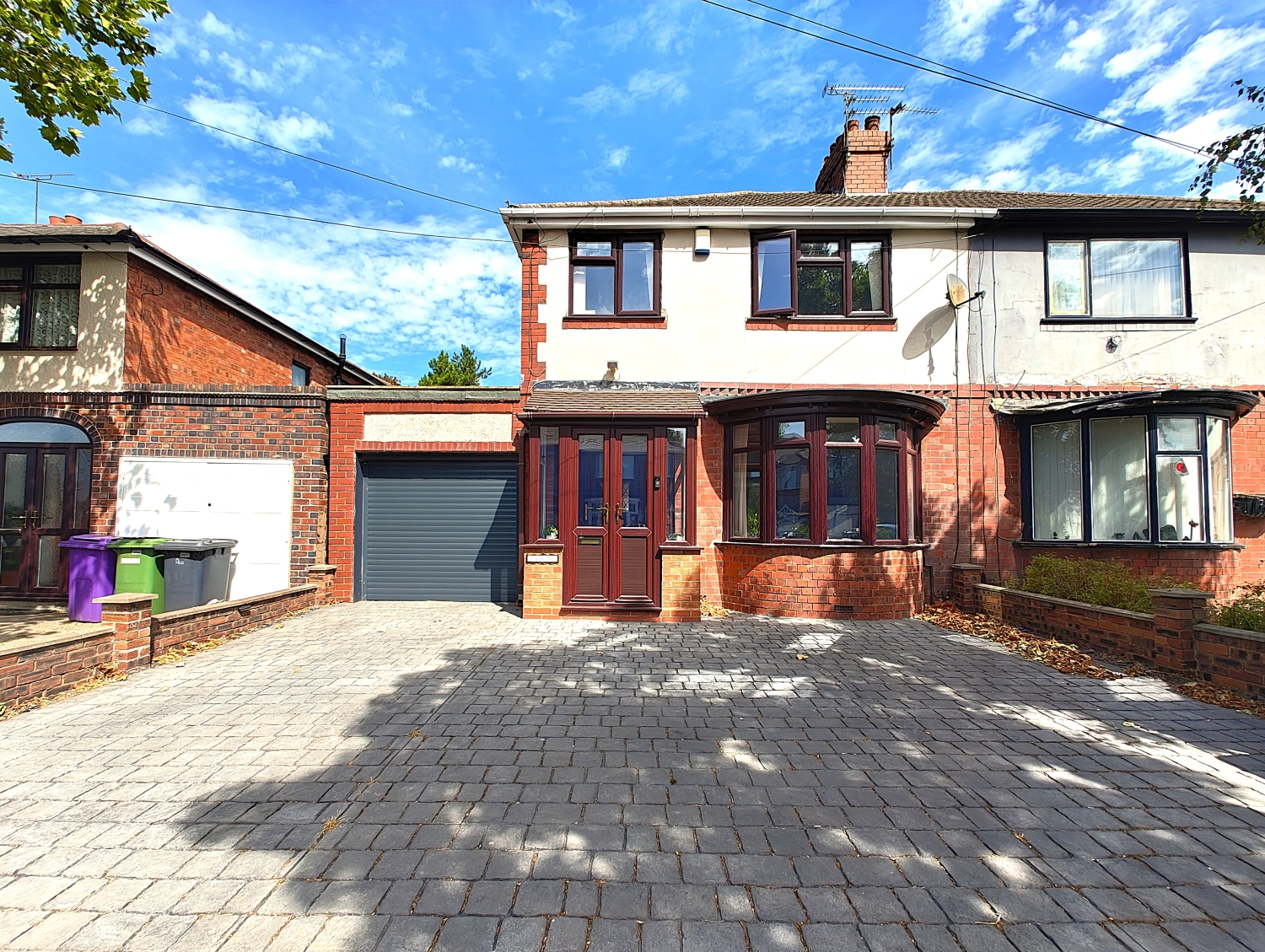
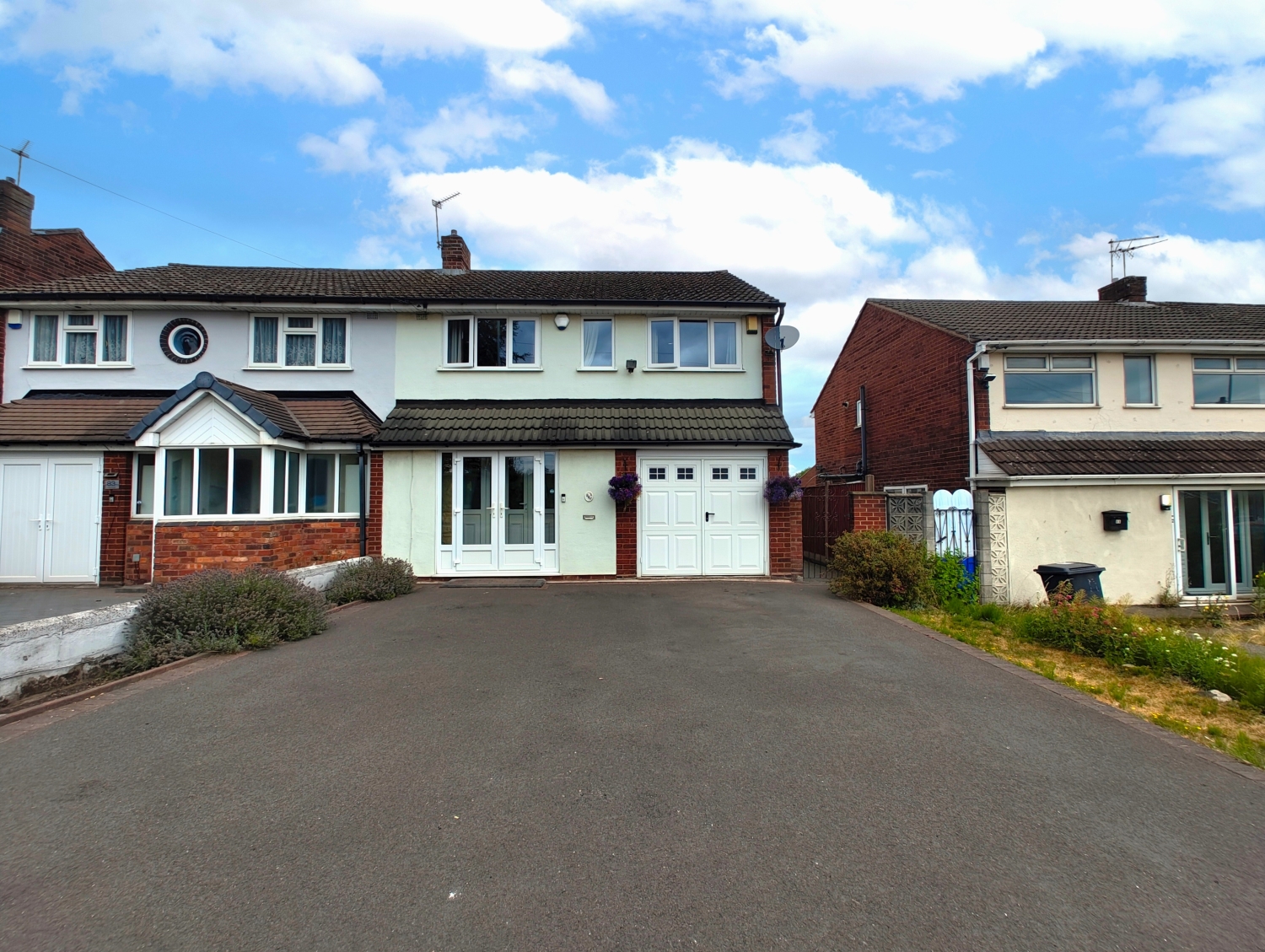
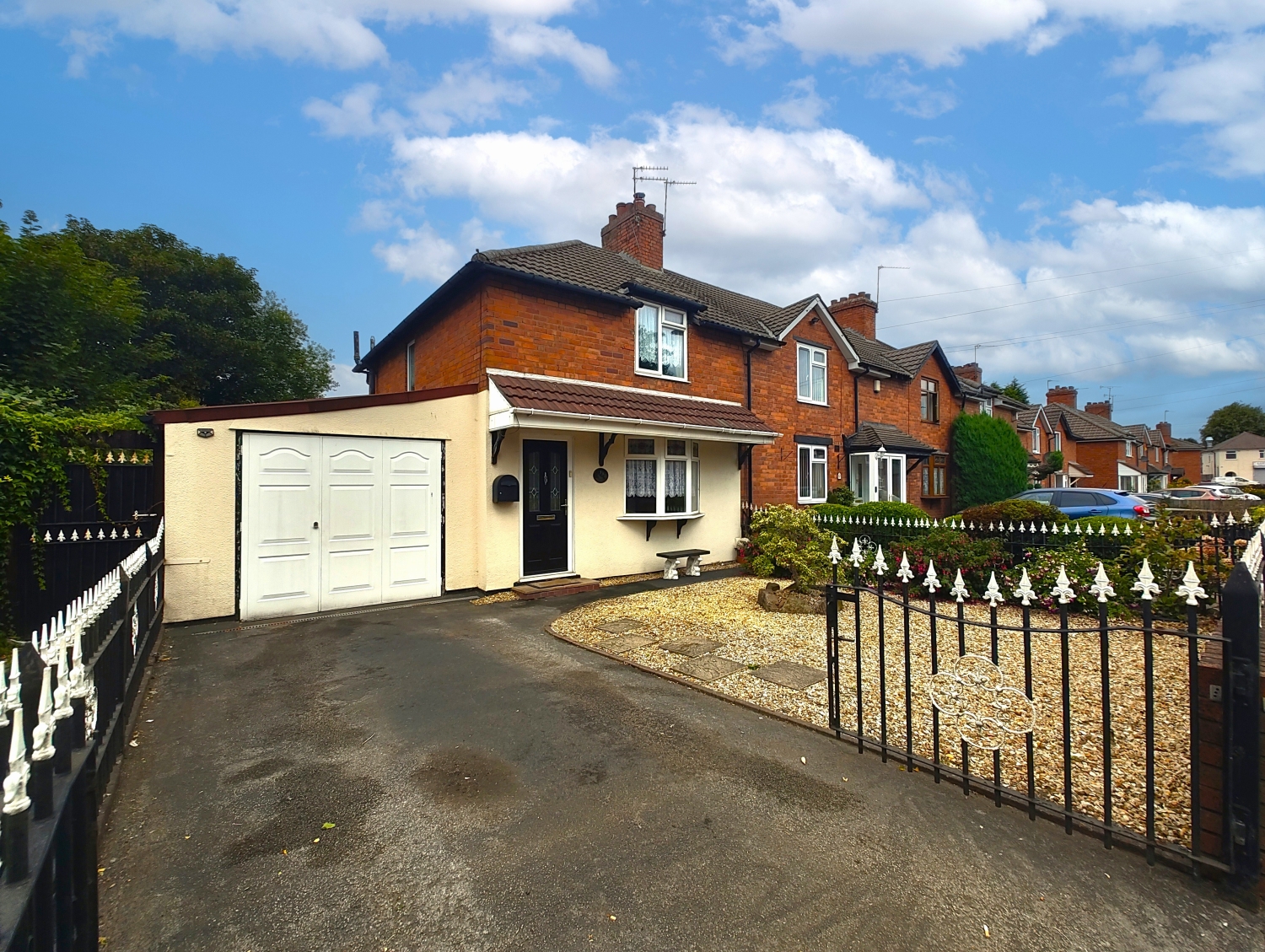
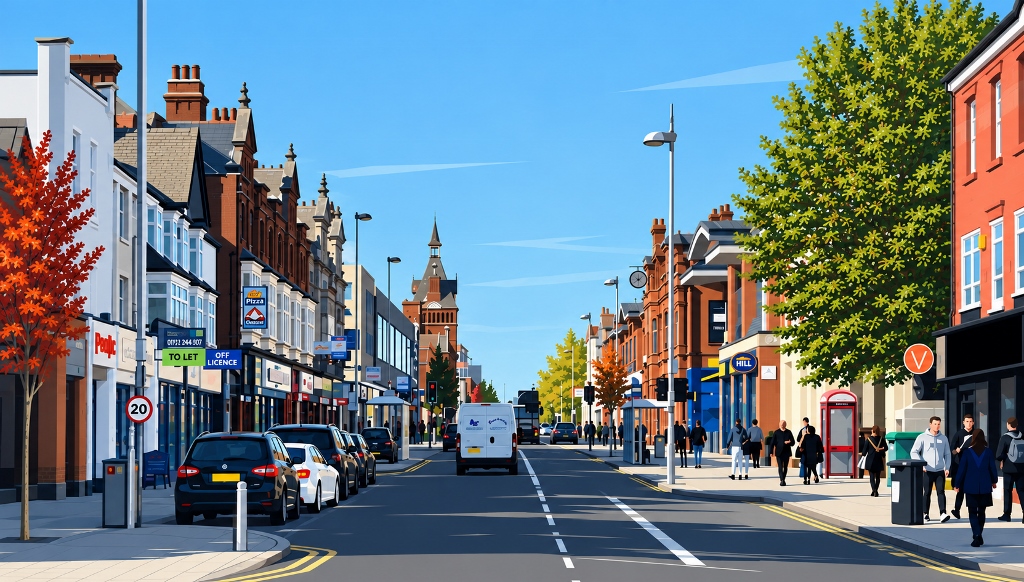
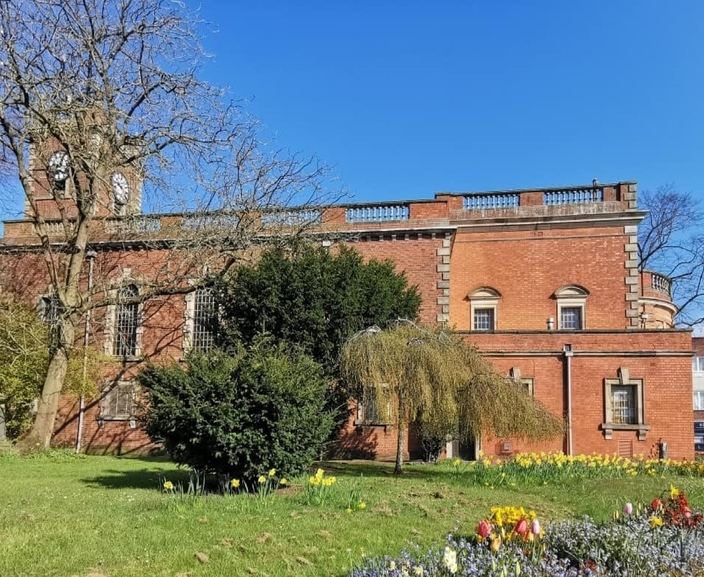
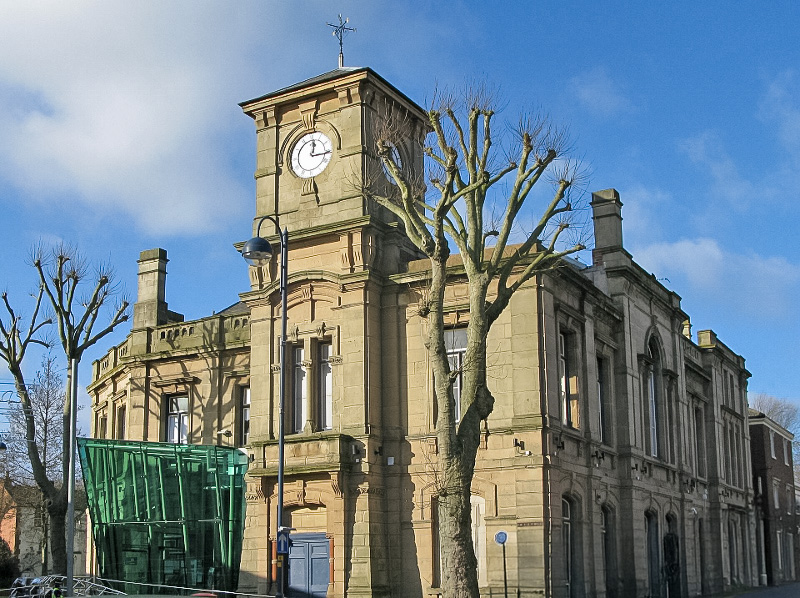
Architecture: Bilston’s housing stock is shaped by its industrial past. The town centre and older residential streets are dominated by Victorian and Edwardian terraced properties, many of which have been modernised internally while retaining their original brick facades. The interwar and post-war periods saw large-scale council house building across estates such as Stowlawn, The Lunt and Bunker’s Hill, which brought a substantial number of semi-detached and terraced council homes into the mix.
More recent decades have added detached family homes on newer private developments, particularly in areas like Sedgemoor Park, where former industrial land was redeveloped from the late 1980s onwards. There’s also a growing number of apartment conversions and purpose-built flats, including some notable recent schemes in the town centre.
Property styles in Bilston: The most sought-after streets for family buyers tend to be on the newer private estates around Sedgemoor Park and along Birmingham New Road, where detached and semi-detached homes with driveways and gardens are more readily available. The Crucible development and Whitegates Road area have also seen good demand. For those looking at investment properties or first-time purchases, the older terraced streets closer to the town centre offer the most affordable entry points, with some representing solid value relative to comparable properties in Wolverhampton.
Developments in Bilston: A number of affordable housing projects have been completed or are under way across Bilston in recent years. The Springvale scheme on Millfields Road delivered 81 new one and two-bedroom flats for affordable rent across two phases, completed by GreenSquareAccord.
On Ettingshall Road, 11 new A-rated, gas-free council homes with solar panels were completed by Morro Partnerships in 2025. A further 19 affordable homes are being built on Green Lanes by Black Country Housing Group and Keon Homes, on the site of the former Happy Wanderer pub.
Plans have also been approved for 11 new homes on the former Bilston Tennis Club site on Villiers Avenue. These schemes reflect a sustained programme of brownfield regeneration that is gradually improving the town’s housing offer and contributing to longer-term property demand.
Property prices: According to Rightmove, the overall average sold price for property in Bilston over the last year was approximately £193k. Terraced properties, which account for the majority of sales, averaged around £200k.
Flats averaged approximately £181k, while detached properties, far fewer in number and largely concentrated on the newer private estates, fetched an average of around £386k. Bilston remains notably more affordable than many parts of the wider Wolverhampton area, which has seen its overall average reach around £214k (ONS, November 2025), making Bilston a practical option for first-time buyers and investors looking for value within the West Midlands.
Rental market: The rental market in Bilston is active, with demand coming from a broad range of tenants including young professionals, families and those commuting to Wolverhampton and Birmingham. According to ONS data, private rents across Wolverhampton rose to an average of £907 per month in December 2025, a 10.1% annual increase – one of the stronger growth rates recorded across the West Midlands that year. At the local level, asking rents in Bilston reflect its affordability relative to the city: one-bedroom properties are typically asking around £609 per month, and two-bedroom flats around £720 per month. Three-bedroom houses are generally listed between £1,000 and £1,200 per month.
The Metro connections to both Wolverhampton and Birmingham city centres are a significant factor in sustaining tenant demand, and the ongoing addition of new affordable housing stock is broadening the rental offer across the town. Landlords operating in this market benefit from relatively low entry costs alongside solid occupancy levels driven by consistent demand for services including well-managed, well-located homes.